Updated: May 2026
Togean Indonesia — Togean Islands — Indonesia's Hidden Coral T…
Togean Indonesia is a curated Indonesia luxury tourism experience offered by Togean Archipelago Voyages: handpicked routes, vetted operators, transparent pricing, and 24/7 concierge support across Indonesia.
- What makes Togean Indonesia a premium experience.
- How Togean Archipelago Voyages curates exclusive access and concierge logistics.
- Routes, seasons, and pricing transparency — no hidden fees.
Togean Islands — the Coral Triangle’s quietest paradise.
56 islands. Pristine reefs untouched by mass tourism. Bajau sea-nomad culture. We curate 9-day liveaboard expeditions through Indonesia’s most underutilized diving destination.
What Togean delivers.
Pristine coral triangle reefs
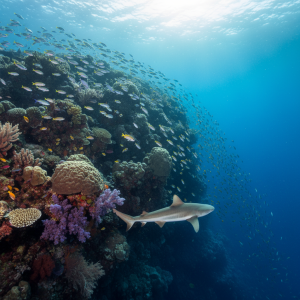
Soft coral cathedrals, hard coral mosaic, schooling barracuda, reef sharks. The Indonesian Throughflow brings nutrient-rich water creating exceptional reef productivity. Visibility 30-40m year-round.
Bajau sea-nomad culture
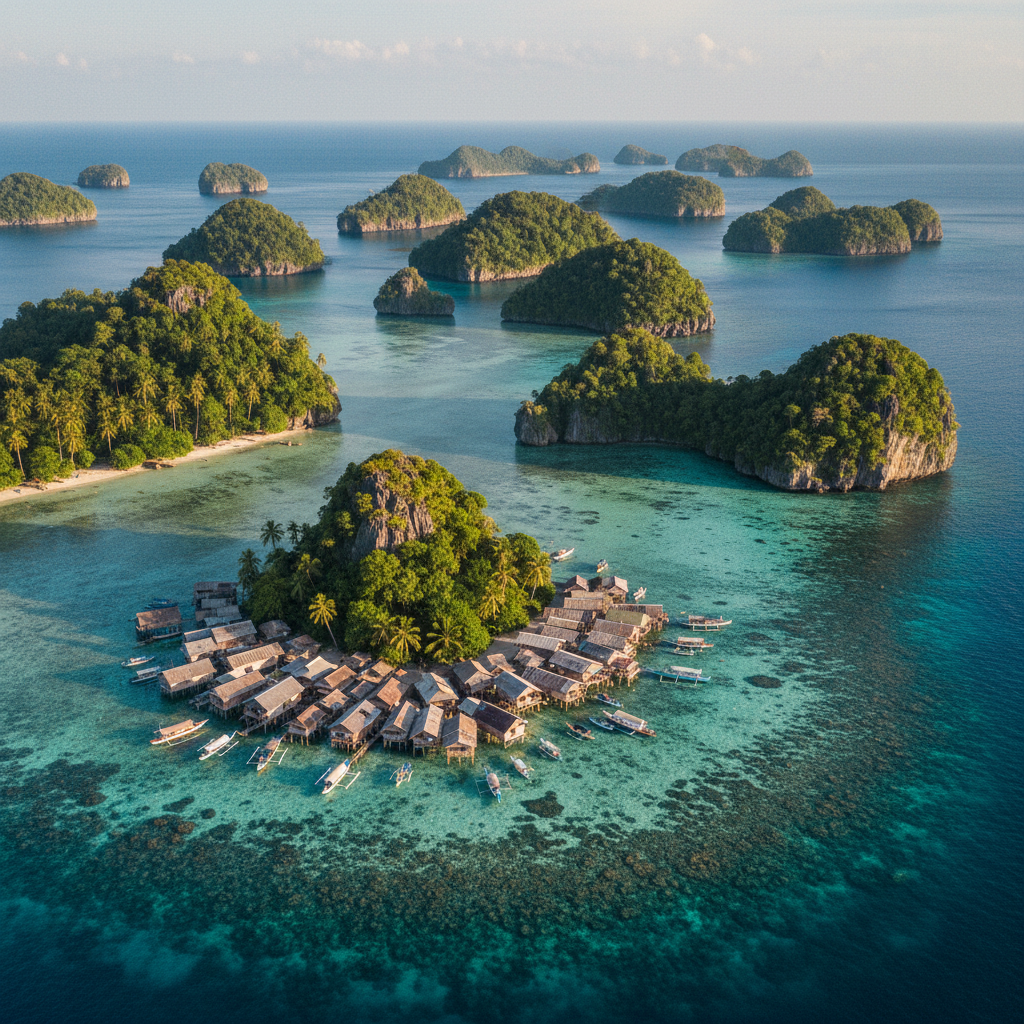
The Bajau people — Southeast Asia’s traditional sea nomads — have settled communities throughout the Togean Islands. Stilt houses over coral-bottomed lagoons. Free-diving traditions. Cultural integration with marine life.
Liveaboard, not resort
Most Togean accommodations are basic homestays. Our 9-day phinisi liveaboard pairs the dive depth with comfort — ensuite cabins, prepared meals, expert guides, dedicated dive deck.
Why Togean is Indonesia’s diving secret
Togean Islands sit in the Tomini Bay region of central Sulawesi, accessible only by 4-hour ferry from the mainland port of Ampana. The geographic isolation has preserved the reef ecosystem from mass tourism. Among Indonesia’s 17,000+ islands, Togean ranks near the top for reef quality but near the bottom for international visitor traffic. International divers who know Togean are quietly devoted; mainstream tourism has not yet found it.
The Bajau sea-nomad communities
The Bajau people have inhabited the Togean Islands for centuries as Southeast Asia’s traditional sea-nomadic population. Modern Bajau communities have built stilt houses over the coral-bottomed lagoons — entire villages perched on stilts above clear water. Children learn to swim before they walk. Free-diving traditions extend to depths of 25-30m without equipment. The Bajau cultural integration with marine life is unique.
The diving overview
Togean dive sites include: Una Una (volcanic island with submerged crater diving), Karina Beach (coral cathedral), Atol Sea (drift dives with pelagic action), Kadidiri (reef shark cleaning station), Pulau Una Una (volcanic muck diving). Visibility consistently 30-40m. Water temperatures 27-29°C year-round. Currents range from gentle to strong.
Why our 9-day liveaboard exists
Most Togean tour options are basic homestays with shore-based diving. We run a phinisi liveaboard pairing diving depth with luxury comfort. 9 days, 8 nights. Twelve guests max. Marine biologist + cultural guide aboard. Dive sites visit 2-3x more compared to homestay-based programs (we move the boat to optimal sites). Result: complete Togean experience at higher cost than budget alternatives, lower than premium liveaboards elsewhere.
Best season
April to November dry season. June-September peak (best visibility, calmest seas, full pelagic action). December-March: monsoon season, voyage paused.
Plan your Togean voyage
Twelve guests max. April-November departures.
Practical guide — Togean Islands (Central Sulawesi)
Getting there
Poso Airport (PSJ), then 3-4 hour drive to Ampana, then 4-hour boat to Togean is the main gateway to Togean Islands (Central Sulawesi). Plan to arrive in Ampana (Sulawesi gateway) and Wakai (Togean Islands hub) as your base. Most Western travelers connect via Jakarta or Bali; allow a full day for travel given internal Indonesian flight schedules. Direct international connections are limited — almost all visitors transit through Jakarta-Soekarno Hatta (CGK) or Denpasar-Bali (DPS) before continuing to the destination airport.
Best time to visit
April to October (dry season, best diving conditions). Average temperatures sit at 26-31°C year-round, with water temperatures 27-29°C year-round. The off-season runs November to March (rainy season, ferry schedules irregular). We typically recommend booking 4-6 months ahead for prime-season travel; 2-3 months for shoulder-season departures. Festival calendars and local cultural events shift the optimal weeks each year, and we update our voyage calendar quarterly to reflect the current best windows.
Money, connectivity, and what to bring
Withdraw cash in Ampana before island transfer. ATMs limited on Togean Islands.. Connectivity: 4G in Ampana; spotty on Togean Islands; some resorts have basic WiFi. Currency is the Indonesian Rupiah (IDR). Voltage is 220V, plug type C/F. Time zone is WITA (UTC+8), no daylight savings adjustment. Pack light and modular — temperatures vary significantly between coastal and highland sites. Reusable water bottle, sun protection, modest dress for cultural visits, and good walking shoes are minimum requirements. Cash in small denominations works better than cards across most Togean Islands (Central Sulawesi) establishments.
Visa and entry
Visa-on-arrival (30 days, $35) for most Western passports. Yellow fever vaccination is not required from US/EU origin countries. Travel insurance is mandatory for our voyages and must include relevant activity coverage (diving for marine destinations, evacuation for highland or remote routes). We provide a recommended insurance broker on request — most clients use World Nomads or DAN (Divers Alert Network).
Safety, language, and tipping
Generally safe. Standard travel precautions. Watch for sea conditions during transfers. Local language: Indonesian + Bajau (sea-nomad community). Our guides interpret on cultural visits. Tipping: Not mandatory. $20-30/day for divemasters and crew appreciated. Indonesian travel etiquette: remove shoes when entering homes, dress modestly at religious sites, and ask before photographing people in villages.
Activity certification level
Open Water minimum, Advanced for current dives. We assess each guest individually — the certification is a baseline, not a guarantee. Strong currents, depth, and surface intervals require comfort beyond the minimum certification level. Beginners are welcome on appropriate sites; we will not place guests on dives or treks above their experience level.
Cost expectations
Togean Islands (Central Sulawesi) travel costs vary widely. Backpacker independent travel runs $50-90 per day. Mid-range guided tours run $200-400 per day per person. Premium small-group voyages and luxury programs run $500-1,000 per day per person. Total trip cost (including international flights, visas, voyage, insurance, and tips) typically lands at $7,000-13,000 per person for our flagship 7-12 day programs from a US/EU origin.
Why book through us
We are a small operator focused on a tight portfolio of Indonesian destinations. We do not run weekly mass tours. We operate fewer voyages each year, which lets us hand-select naturalists, historians, and divemasters as on-board interpretive guides — most are residents of the regions we visit. Group sizes are intentionally small (eight to twelve guests) so cultural visits remain immersive rather than performative. When we recommend a particular departure window, we are weighing six axes — sea conditions, festival overlap, dive visibility, accommodation availability, school holiday traffic, and historical-site access. Most operators optimize for one or two of these. We optimize for all six. Our pricing is transparent and inclusive — most of what your trip needs is already in the quoted price. We tell you up front what is not included rather than discovering it on day six.
Nearby Indonesian destinations to consider
Togean Islands (Central Sulawesi) pairs well with extensions to other Indonesian regions. Bali (Denpasar) is the most common pre-trip stop for jet-lag recovery and gentle introduction to Indonesian travel rhythms. Komodo National Park (Labuan Bajo) suits travelers wanting reef-shark encounters and the iconic Padar Island viewpoint. Raja Ampat in West Papua is the global benchmark for biodiversity and pairs well with Banda for marine-focused trips. Lombok and Gili Trawangan offer beach-relaxation finishes. We coordinate seamless multi-region itineraries on request.