Updated: July 2026
Togean Islands Climate Change Impact: Challenges and Solutions
The Togean Islands climate change impact is increasingly evident, threatening marine biodiversity and local communities’ livelihoods. Urgent action is needed to mitigate these effects.
Togean Islands Climate Change Impact
The Togean Islands, located in the Gulf of Tomini, Indonesia, are experiencing significant threats due to climate change. As global temperatures rise, the impacts on this archipelago are becoming more pronounced. Sea levels in the region are rising at an estimated rate of 3 millimetres per year, contributing to coastal erosion. This erosion is visibly impacting the island’s shorelines, leading to the loss of beaches and threatening coastal infrastructure. The changing climate also brings about erratic weather patterns, including more frequent and intense storms, which further exacerbate erosion and habitat destruction.
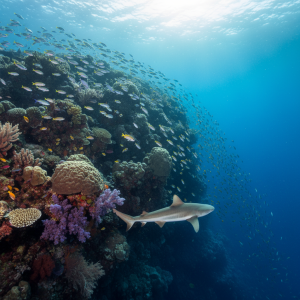
Ocean acidification, a direct result of increased carbon dioxide absorption, is another concern. The pH levels of the surrounding waters have decreased, affecting marine organisms that rely on calcium carbonate for their shells and skeletons. Coral reefs, which are vital for marine biodiversity and local fisheries, are particularly vulnerable. Reports indicate that coral bleaching events, once occurring sporadically, are now happening with alarming regularity, with significant bleaching events recorded in 2016 and 2020.
Togean Islands Environmental Issues
Environmental issues in the Togean Islands are compounded by climate change. The increase in sea surface temperatures, often exceeding the critical threshold of 29°C, leads to coral bleaching. During these events, stressed corals expel the symbiotic algae living in their tissues, causing them to lose their colour and, if prolonged, die. This not only diminishes marine biodiversity but severely impacts the local fishing industry, which provides livelihoods for approximately 70% of the island’s population.
- Rising sea levels: Coastal areas, including the villages of Wakai and Kadidiri, face inundation risks, threatening homes and tourism facilities.
- Altered weather patterns: The islands are experiencing more frequent extreme weather events, such as tropical storms, which can devastate infrastructure and natural habitats.
- Ocean acidification: Species like clams, sea urchins, and coral are finding it increasingly difficult to maintain their calcium carbonate structures, impacting the entire marine food web.
Togean Islands Climate Action
To address these challenges, climate action initiatives are being implemented across the Togean Islands. A dual approach of mitigation and adaptation is being adopted. For mitigation, efforts include the promotion of sustainable fishing practices to prevent overfishing and the degradation of marine ecosystems. Additionally, protecting and restoring mangrove forests is a priority, as these ecosystems act as natural barriers against coastal erosion and provide essential habitats for diverse marine species.
Adaptation strategies involve community-based programmes that raise awareness and build resilience to climate impacts. Local governments, in collaboration with non-governmental organisations (NGOs) such as the Indonesian Coral Reef Foundation, are working to implement conservation projects aimed at protecting coral reefs and biodiversity. These projects are crucial in safeguarding the natural resources that the Togean Islands depend on. For further details on local policies and community involvement, visit our page on safety and compliance efforts.
2027 Note: Climate Change and Community Adaptation
By 2027, the Togean Islands continue to grapple with the pressing challenges of climate change. Community adaptation strategies have been broadened, focusing on education and sustainable practices to minimise the islands’ environmental footprint. Initiatives include workshops on sustainable agriculture and fishing, which aim to equip locals with the skills needed to adapt to changing environmental conditions. However, continuous support and global cooperation remain essential to address the broader impacts of climate change effectively.
Conservation Efforts and Sustainable Tourism
Conservation efforts in the Togean Islands are integral to mitigating the effects of climate change. Initiatives aimed at restoring coral reefs and protecting marine habitats are gaining traction, with local and international volunteers participating in reef monitoring and restoration projects. The establishment of marine protected areas has been a significant step forward, covering approximately 10% of the islands’ waters, which helps preserve biodiversity hotspots.
Sustainable tourism plays a vital role in these efforts by promoting eco-friendly practices that support local economies while conserving natural resources. Tourists are encouraged to engage in conservation activities, such as participating in beach clean-ups and learning about coral reef ecosystems through guided snorkelling tours. These activities foster a deeper connection with the environment and raise awareness about the importance of conservation. For more information on how you can contribute to these efforts, explore our Togean Islands travel guide.
FAQ
What are the effects of climate change on Togean Islands?
Climate change affects the Togean Islands through rising sea levels, increased temperatures causing coral bleaching, and ocean acidification impacting marine life. These changes threaten the islands’ biodiversity and the livelihoods of local communities.
How is the local government addressing climate change?
The local government is actively implementing conservation projects, promoting sustainable practices, and collaborating with NGOs to enhance community resilience and protect biodiversity. These efforts are crucial in maintaining the ecological balance and supporting the islanders’ way of life.
What role does tourism play in climate action?
Sustainable tourism supports climate action by promoting eco-friendly practices, raising awareness among visitors, and contributing to local conservation efforts. By encouraging responsible travel, tourism helps preserve the natural beauty and biodiversity of the Togean Islands for future generations.