Updated: July 2026
The Future of Eco-Tourism in Togean Islands
The future of eco-tourism in the Togean Islands appears promising, with a growing emphasis on sustainable practices and green travel initiatives. These efforts are expected to preserve the natural beauty and biodiversity of the region while promoting responsible tourism.
Togean Islands Eco-Tourism Future
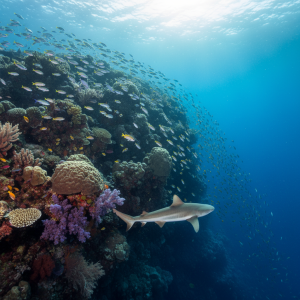
The Togean Islands, located in the Gulf of Tomini, Central Sulawesi, Indonesia, are poised to become a leading destination for eco-tourism by 2027. Comprising over 50 islands and islets, the archipelago is known for its pristine beaches, coral reefs, and diverse marine life. The region’s natural beauty, combined with a commitment to sustainable development, creates an ideal environment for travellers seeking meaningful and responsible experiences. Efforts are being made to ensure tourism growth does not compromise the fragile ecosystems. For instance, new eco-friendly accommodations are being developed, adhering to strict environmental guidelines that minimise impact on the surrounding nature. The Togean Islands’ unique biodiversity, including endangered species like the Togean babirusa and various coral species, makes it imperative to adopt practices that protect these natural resources.
Sustainable Tourism Trends 2027
By 2027, several key trends are expected to shape sustainable tourism in the Togean Islands. These include a rise in eco-conscious travel, where tourists are increasingly aware of their environmental impact and seek experiences that align with their values. The global shift towards sustainability is influencing travel choices, with more visitors opting for destinations that support conservation efforts and local communities. Additionally, advancements in sustainable technology will support the development of renewable energy sources and waste management systems, further promoting eco-friendly travel. For example, the use of solar panels and wind turbines is on the rise, providing clean energy to island resorts and reducing reliance on diesel generators. Enhanced waste reduction and recycling programs are also being implemented, with local governments and businesses collaborating to reduce plastic usage and improve waste management infrastructure.
- Increased use of renewable energy in accommodations, with a target of 50% energy from solar and wind sources by 2027
- Enhanced waste reduction and recycling programs, aiming to cut plastic waste by 40% through community education and infrastructure improvements
- Integration of community-based tourism initiatives, where local communities play a central role in tourism activities, ensuring economic benefits are widely shared
- Focus on local culture and biodiversity conservation, promoting traditional practices and protecting endemic species through responsible tourism
Togean Islands Green Travel Initiatives
The Togean Islands are implementing several green travel initiatives to foster sustainable tourism growth. These initiatives include promoting eco-lodges that utilise solar power, implementing plastic waste reduction programs, and encouraging community-led conservation projects. By aligning with global sustainable tourism standards, the islands aim to attract environmentally conscious tourists while preserving their unique ecosystems. Eco-lodges are designed to blend with the natural environment, using locally sourced materials and employing rainwater harvesting techniques. Plastic waste reduction programs are being developed in partnership with local NGOs, focusing on education and infrastructure to manage waste efficiently. Community-led conservation projects include coral reef restoration and mangrove planting, involving local residents in the preservation of their environment.
2027 Note
As of 2027, the Togean Islands have made significant strides in eco-tourism development. The continued collaboration between local communities, government agencies, and tourism operators is crucial to maintaining the delicate balance between tourism growth and environmental preservation. Initiatives such as the Togean Islands Marine National Park, established to protect marine biodiversity, play a vital role in conservation efforts. Visitors are encouraged to explore these initiatives through various resources, such as engaging with local conservation efforts. Tourists can participate in guided tours that highlight sustainable practices and offer opportunities to contribute to conservation projects, ensuring that their visit has a positive impact on the environment and local communities.
FAQ
What is the future of eco-tourism in Togean Islands?
The future of eco-tourism in the Togean Islands is promising, with initiatives focused on sustainable practices and preserving the region’s natural beauty, supported by community involvement and technological advancements.
How are green travel initiatives impacting the Togean Islands?
Green travel initiatives are positively impacting the Togean Islands by reducing environmental footprints and promoting conservation efforts, leading to a more sustainable tourism industry that benefits both the environment and local communities.
What sustainable tourism trends are expected in 2027?
In 2027, sustainable tourism trends include increased eco-conscious travel, renewable energy use, and community-based tourism initiatives in the Togean Islands, fostering an environment where tourism supports conservation and cultural preservation.