Updated: June 2026
Togean Islands by month: weather, crowds, prices
Understanding the Togean Islands
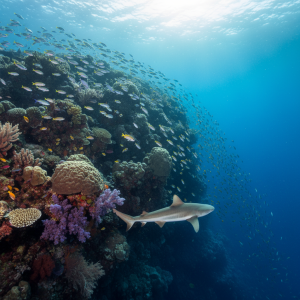
The Togean Islands, in the Gulf of Tomini in Central Sulawesi, Indonesia, are an unspoiled paradise known for their stunning beaches, vibrant marine life, and rich cultural diversity. This remote archipelago consists of about 56 islands, with the main ones being Batudaka, Togean, and Malenge, each offering unique experiences for travelers.
Togean Islands in January: Weather and Conditions
Visiting the Togean Islands in January, you can expect warm temperatures averaging around 28°C (82°F) during the day, dipping slightly at night to about 24°C (75°F). January is part of the wet season, which means there’s a good chance of rainfall, often in the form of short, heavy showers. While the rain can be a deterrent, it also brings lush greenery and a vibrant atmosphere to the islands.
January is typically not overcrowded, making it one of the quieter times to visit, which can be beneficial for those looking to escape the hustle and bustle. Accommodation prices are moderate, with guesthouses starting from around $15 (IDR 220,000) per night. However, activities like diving can be limited due to visibility issues, so plan accordingly.
February to March: Transitioning Weather and Experiences
In February and March, the weather remains similar to January, with temperatures averaging 28-30°C (82-86°F). Rainfall continues, but it starts to taper off, especially towards March. If you’re considering diving, conditions improve slightly during these months, although visibility might still be compromised occasionally.
During February and March, expect lower tourist crowds, meaning you can enjoy popular spots like Kadidiri Beach and Pulau Puna without the usual influx of visitors. Prices stabilize, with accommodation remaining around $15 to $25 per night, depending on your choice of lodging.
April: A Sweet Spot for Travelers
April marks the beginning of the transition to the dry season, making it one of the best times to visit the Togean Islands. Temperatures hover around 29°C (84°F), and the likelihood of rain decreases significantly compared to the earlier months. April is often regarded as a sweet spot for travelers, with fewer crowds and improved diving conditions.
Diving enthusiasts will find great visibility, often reaching depths of 30 meters (98 feet), especially around the islands of Togean and Malenge. Prices remain reasonable, with accommodations available from $20 (IDR 300,000) per night. If you’re planning to explore the underwater world, expect to pay around $25 (IDR 375,000) for a single dive trip.
May: Diving and Cultural Immersion
May is another fantastic month for visiting the Togean Islands, characterized by warm temperatures around 30°C (86°F) and minimal rainfall. As the dry season takes hold, the islands become a hub for divers, drawn by the excellent visibility and thriving marine ecosystems. Popular diving spots include the reefs around Batudaka and the underwater walls around the islands.
In May, you can also participate in the local “Pasola” festival, which involves traditional horse-riding competitions. Accommodation prices may rise slightly, with options varying from $20 to $30 (IDR 300,000 to IDR 450,000) per night, depending on the level of comfort. Tour packages that include diving and local tours can cost around $100 (IDR 1.5 million) for a full day.
June vs July: Peak Season and Weather Patterns
Both June and July are considered peak travel months in the Togean Islands. The weather remains hot and sunny, with daytime temperatures reaching up to 32°C (90°F). Rainfall is scarce, making these months ideal for beach activities and diving adventures. The islands become livelier, catering to a larger influx of tourists.
However, this popularity comes with a price. Expect accommodation rates to rise, ranging from $30 (IDR 450,000) to $80 (IDR 1.2 million) per night for more upscale options. Diving packages can also be pricier, averaging around $50 (IDR 750,000) for a two-dive day trip. It’s an excellent time for group activities, but if you prefer solitude, consider booking early to secure quieter accommodations.
August and September: Transitioning to Rainy Season
As August rolls into September, the Togean Islands start to feel the effects of the impending rainy season. Temperatures remain warm, averaging 30°C (86°F). However, you may experience sporadic rain showers, particularly towards the end of September. Visibility for diving can still be decent, but be prepared for occasional challenges due to rain.
Accommodation prices may drop slightly in September, with deals available for as low as $15 (IDR 220,000) per night. However, diving conditions might decline, particularly as you approach the end of September, with increased cloud cover and potential for rain. If you’re focused on diving, verify conditions with local operators to ensure the best experience.
October: The Start of the Rainy Season
By October, the wet season is in full swing. The Togean Islands experience increased rainfall, with temperatures still around 28-30°C (82-86°F). While diving opportunities may still exist, the visibility can be significantly hindered, and currents may become stronger due to increased rain runoff.
Because of these weather changes, tourists tend to decline, making October a quieter time to visit. Accommodation prices can drop to as low as $10 (IDR 150,000) per night in some areas. However, if diving is your primary goal, you might want to reconsider your timing, as October does not offer the best conditions.
November: Rain and Diving Conditions
November sees continued rainfall as the monsoon season peaks. The temperature averages around 27°C (81°F), but rain can significantly affect your travel plans. Diving during this month can still be rewarding, especially in the early part of November, as visibility remains decent. However, as the month progresses, conditions can deteriorate.
that, while the islands may be less crowded, engaging in activities may be limited due to the weather. Accommodations are often at their lowest rates in November, with many options available for under $15 (IDR 220,000) per night. If you do visit this month, prepare for possible travel delays due to weather conditions.
Conclusion: Choosing the Best Time to Visit
When planning your trip to the Togean Islands, consider your priorities: whether it’s diving, cultural experiences, or simply relaxing on beautiful beaches. Each month offers its unique advantages and disadvantages, from the lively atmosphere in peak season to the tranquility and lower prices of the rainy months.
For those seeking the best diving conditions, aim for the dry months from April to July. However, if you’re looking for the cheapest month to go, consider October or November, keeping in mind the potential for heavy rain. The key is to assess your own travel preferences and be flexible enough to adapt to the islands’ ever-changing weather patterns.
FAQs
- What is the cheapest month to visit the Togean Islands? October and November typically offer the lowest accommodation rates, often around $10 to $15 per night.
- When should I avoid visiting the Togean Islands? The monsoon season from late September through November is not ideal for diving and may disrupt travel plans.
- What are the diving conditions like in November? Diving conditions can be variable in November, with visibility decreasing as the month progresses due to increased rainfall.
Whether you’re seeking adventure or relaxation, the Togean Islands offer something for everyone. Plan your trip wisely and enjoy this hidden Indonesia!
Explore more from Togeanindonesia
- Togeanindonesia — home
- Frequently Asked Questions — Togean Archipelago Voyages
- Editorial Standards — How Togean Archipelago Voyages Researches & Verifies
- Sustainability — Togean Archipelago Voyages’s Environmental & Community Commitments
- Best time to visit Togean Indonesia for every traveler
- How to get to Togean Indonesia from Jakarta, Bali, Europe